With global oil markets in panic, Tehran's top diplomat has touched down in Islamabad to secure Iran's eastern flank and test Pakistan's geopolitical leverage against Washington's financial veto.
 Sseema Giill
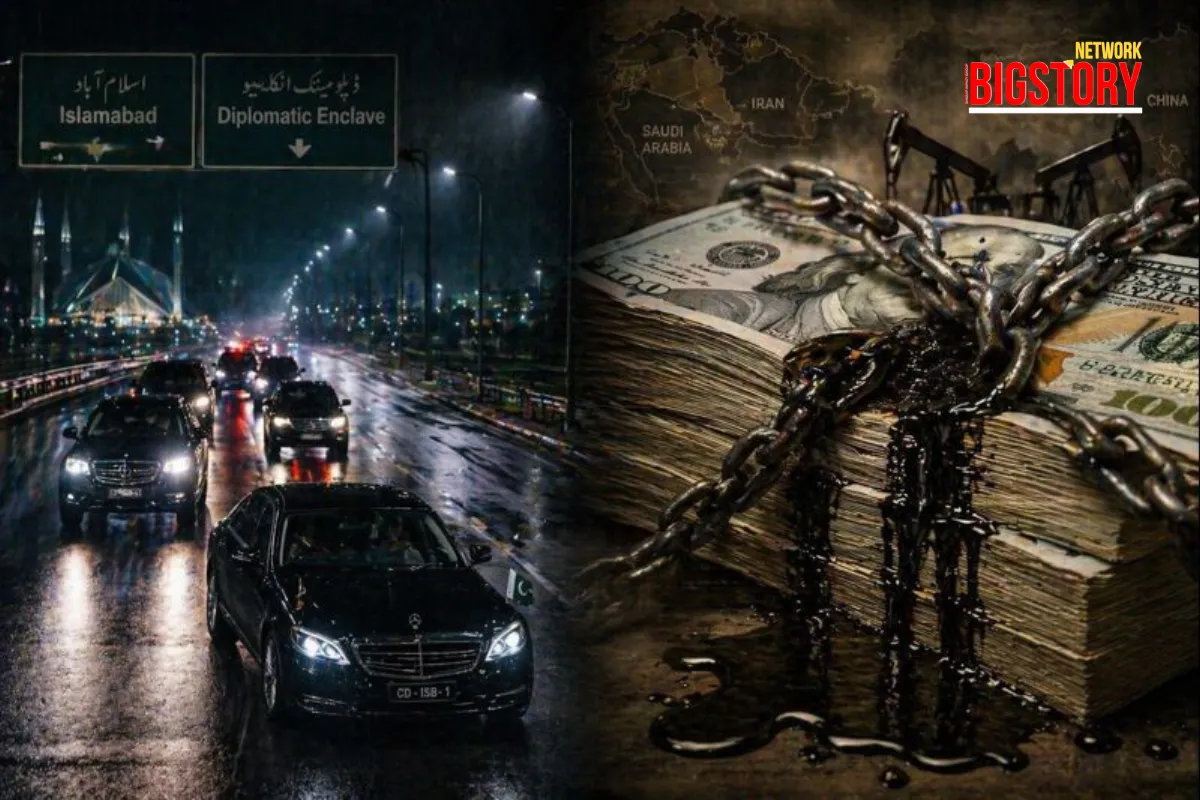
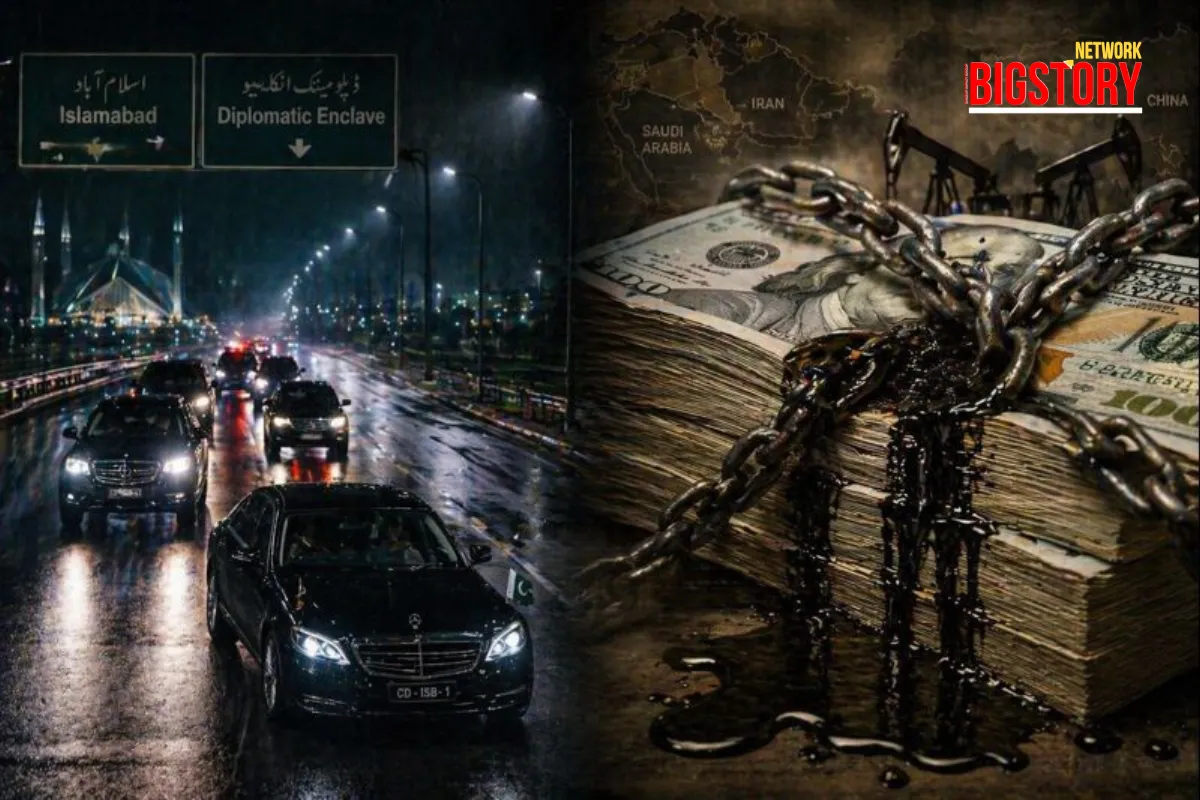
The epicenter of the global energy crisis has suddenly shifted to Islamabad. On the evening of Friday, April 24, 2026, Iranian Foreign Minister Abbas Araghchi touched down in Pakistan for emergency, high-stakes talks with the Pakistani civilian and military leadership.
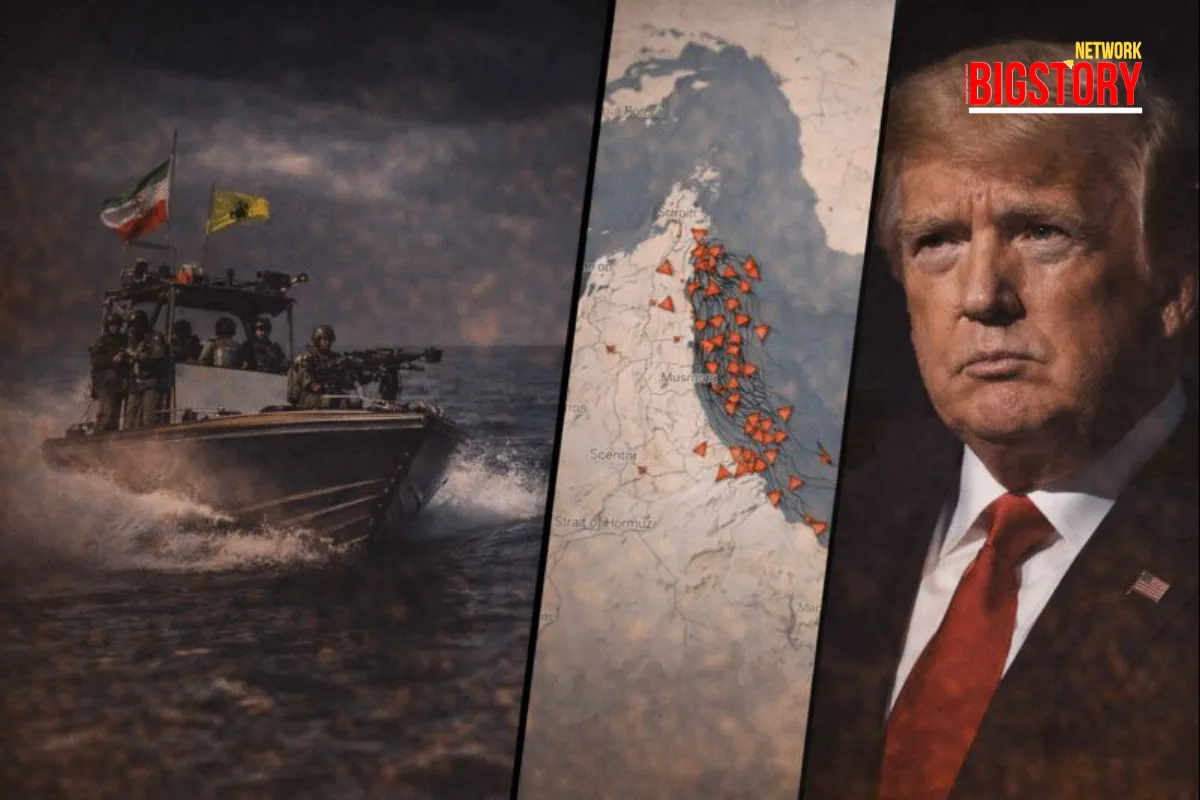
The abrupt diplomatic mission is a desperate attempt to salvage negotiations after the Tuesday ceasefire deadline collapsed and Tehran aggressively re-closed the Strait of Hormuz to commercial shipping.
Araghchi’s aircraft landed at Nur Khan Airbase in Islamabad late Friday evening, where he was received by senior Pakistani diplomats before heading directly into closed-door meetings with Pakistan's top brass, including the Prime Minister and the Chief of Army Staff.
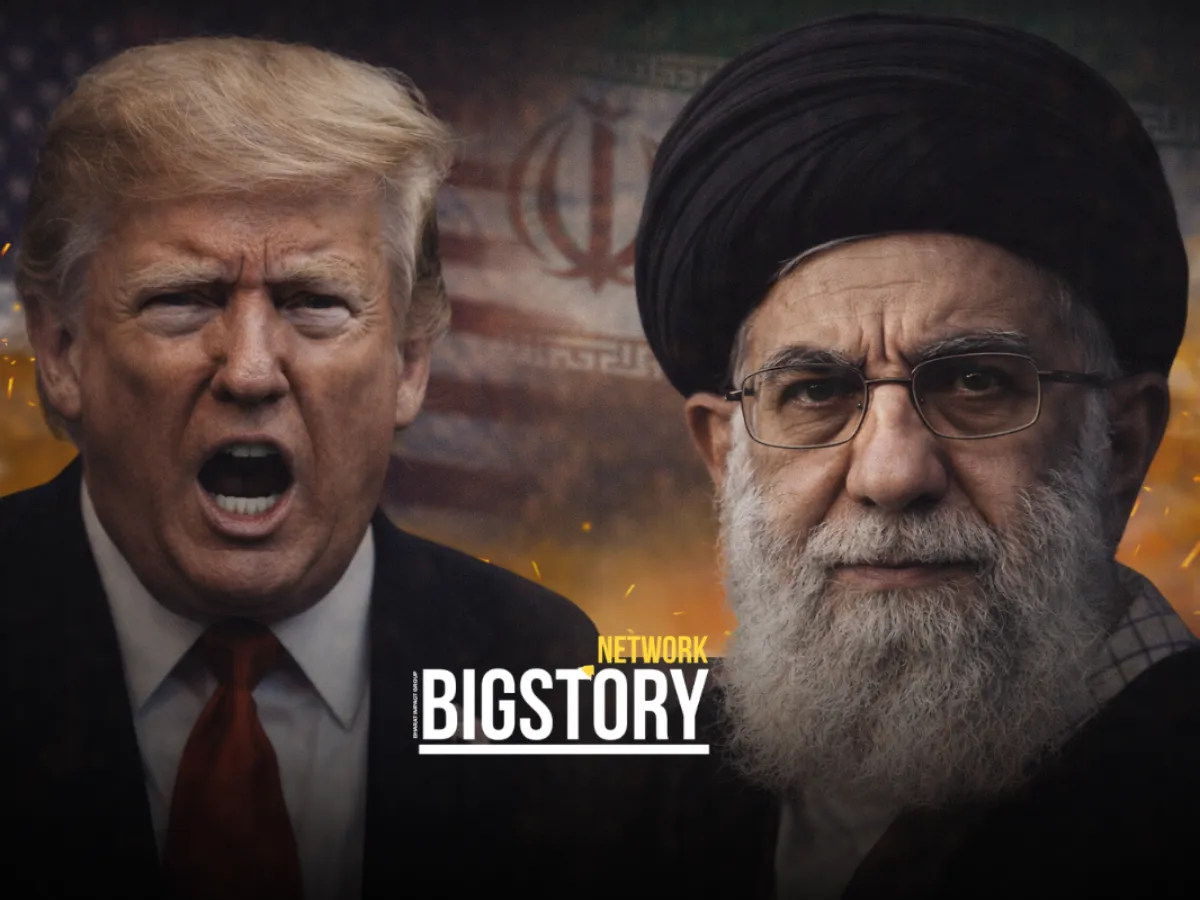
While the official diplomatic agenda vaguely cites discussions on "border security and bilateral trade," the immediate reality is the collapsed US-Iran ceasefire. Following U.S. President Donald Trump’s steadfast refusal to lift the American naval blockade on Iranian ports, Araghchi is in Islamabad to utilize Pakistan’s historic role as a critical backdoor diplomatic channel to Washington.
Beyond the global oil crisis, Tehran and Islamabad have their own highly volatile bilateral issues to settle.
Both nations share a porous, heavily militarized 900-kilometer border and have historically traded bitter accusations of harboring separatist militant groups, such as the Jaish al-Adl in the Sistan-Balochistan region.
Following brief but intense military skirmishes between the two nations just a couple of years ago, Araghchi's visit is a highly calculated strategic move. Tehran must ensure its eastern flank remains completely secure and neutral while it concentrates its entire military apparatus on countering US and Israeli threats in the Persian Gulf.
While global media focuses on the diplomatic messaging, the "Missed Angle" here is decoding the impossible geopolitical vice Pakistan is currently trapped inside.
Islamabad is desperately trying to play the regional peacemaker to stabilize its own collapsing, energy-starved economy. However, Pakistan is heavily reliant on the International Monetary Fund (IMF) for basic sovereign survival—an institution where Washington holds the ultimate, undisputed veto power.
If Pakistan facilitates a deal that heavily favors Iran, or attempts to bypass US sanctions to import cheap Iranian oil via the long-delayed Iran-Pakistan gas pipeline, the Trump administration could instantly pull the plug on Islamabad's next critical IMF tranche, triggering an immediate sovereign default.
Araghchi knows this dynamic perfectly. He isn't just in Islamabad to pass messages to the White House; he is there to test exactly how much pressure Pakistan's military establishment can withstand before bowing to Washington's financial blackmail.
News & Wire Coverage:
 Exclusive Content





Sign up for the Daily newsletter to get your biggest stories, handpicked for you each day.


 Trending Now! in last 24hrs